Cute Boy Embroidery: A Designer’s Review for Real Projects
As a designer who spends more time staring at stitch simulations than I care to admit, I have learned that not every machine embroidery design is created equal. Some look fantastic on a screen but turn into a tangled mess of thread on fabric. Others are so simple they lack impact. When I first loaded the Cute Boy design into my software, I was looking for that sweet spot: a balance of charm and technical reliability. This review breaks down how this specific embroidery file performs in real-world scenarios, helping you decide if it belongs in your next craft business lineup or personal project.
First Impressions: Mood and Visual Personality
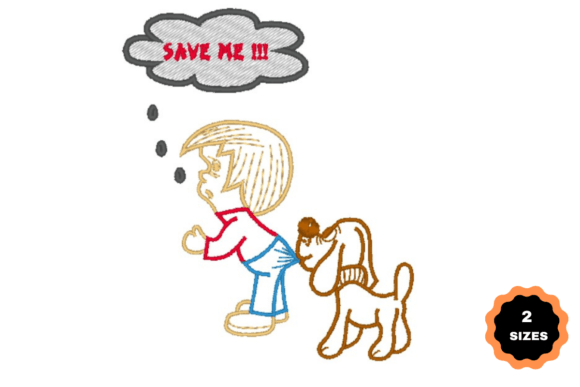
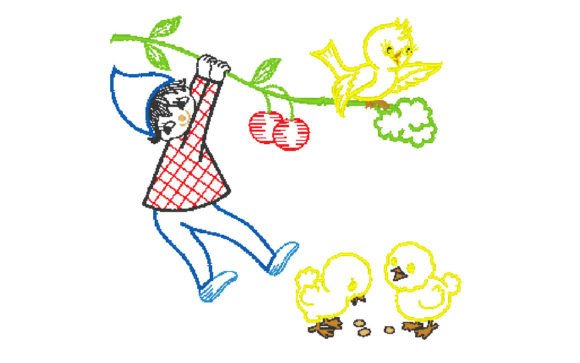
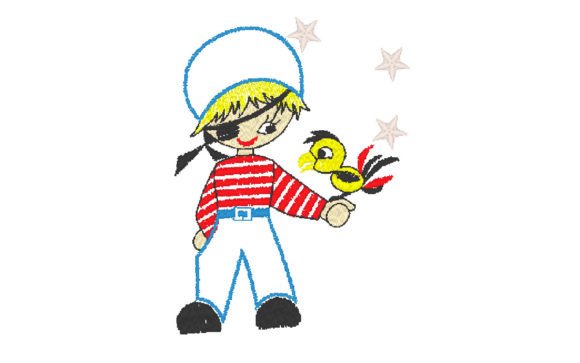
The immediate vibe of Cute Boy is playful and approachable. It does not try to be overly complex or hyper-realistic, which is often a trap for beginner-friendly designs. Instead, it relies on clean lines and a friendly aesthetic that appeals broadly. For those of us creating handmade products, this visual personality is crucial. It suggests warmth and nostalgia, making it an ideal candidate for items meant to comfort or delight.
The layout feels balanced, avoiding the common pitfall of having too much weight on one side. This symmetry is vital when you are working with custom apparel like sweatshirts or tote bags, where off-center designs can look accidental rather than intentional. The level of detail is moderate, meaning it retains its clarity even when scaled down slightly, a feature I always test before committing to a full production run.
Real-World Application: Where This Design Shines
I recently tested this design on a canvas tote bag design project for a local boutique client. The goal was to create a line of reusable bags that felt personal and whimsical. Cute Boy fit the brief perfectly. Because the design is categorized under Boys, it naturally leans toward children’s items, but its neutral charm allows it to work for anyone who appreciates cute aesthetics.
Beyond tote bags, I see strong potential for this design in several other areas:
- Sweatshirt embroidery: Placed on the left chest or as a larger back print, the design adds a custom touch to plain hoodies.
- Baby embroidery: It is gentle enough for nursery decor, such as pillow covers or blanket accents, provided the stitch density is managed correctly.
- Holiday embroidery: With the right thread colors, this can easily become a seasonal gift item, perfect for Easter baskets or birthday presents.
- Embroidered patch: The contained shape works well for iron-on or sew-on patches, a popular item for Etsy sellers and small shop owners.
For commercial embroidery projects, consistency is key. This design appears robust enough to handle repeated stitching without significant variation, which builds customer trust. When a buyer sees a clean, crisp image on their finished product, they are more likely to return for future purchases.
Technical Considerations and Fabric Choices
While Cute Boy is versatile, it is not immune to the laws of physics and thread tension. As an experienced reviewer, I must highlight where you need to exercise caution. The description notes that it comes with multiple embroidery file formats, which is standard, but you must verify the specific hoop sizes included before purchasing. Trying to force a large design into a 4x4 hoop will result in distortion or cropping.
Fabric texture plays a massive role in how this design renders. On smooth cotton or polyester blends, the stitches lay flat and clean. However, on textured fabrics like terry cloth or heavy denim, some finer details might get lost. If you are using this for sweatshirt embroidery, consider using a topping stabilizer to prevent the stitches from sinking into the fleece.
Stretchy fabrics require extra attention. If you are applying this to a baby onesie or a stretchy tee, proper stabilization is non-negotiable. A cut-away stabilizer is usually best for garments that will be washed frequently, ensuring the design does not pucker over time. Always test on scrap fabric first. This simple step saves hours of frustration and wasted materials.
Color Theory and Thread Selection
The visual appeal of Cute Boy depends heavily on your thread colors. While the default colorway in the preview might look appealing, do not be afraid to experiment. For a modern, minimalist look, try monochromatic threads on a contrasting background. For a vibrant, playful look suitable for children’s items, use bright, saturated colors.
I recommend testing the design in black and white mockups first. This helps you understand the contrast and shape definition without the distraction of color. If the design holds up in grayscale, it will likely look good in any color scheme. Pay attention to the transition between different stitch types. A good machine embroidery design should have smooth transitions between satin stitches and fill stitches, avoiding gaps or excessive jump stitches that require tedious trimming.
Commercial Use and Branding
For digital product sellers and craft business owners, understanding licensing is critical. Before selling items made with Cute Boy, confirm the license terms. Most designers allow commercial use for physical finished goods, but restrictions may apply to digital redistribution. Always read the fine print.
Using a consistent design style helps build brand recognition. If your shop specializes in whimsical, child-friendly items, Cute Boy fits seamlessly into that narrative. It enhances your design assets library by providing a reliable, high-quality option for quick turnaround projects. High-quality visuals in your printable mockup listings can significantly boost buyer engagement, as customers can clearly see what the final product will look like.
Practical Designer Notes for Best Results
To ensure the best outcome with this embroidery project, keep these practical tips in mind:
- Check stitch density: If the design feels too dense for lightweight fabric, consider adding a backing stabilizer or adjusting the density settings if your software allows.
- Inspect small details: Zoom in on the simulation. Look for tiny satin stitches that might break easily. If found, consider widening them slightly.
- Confirm hoop size: Ensure the design fits comfortably within your machine’s hoop, leaving at least half an inch of margin on all sides.
- Test on dark fabric: If stitching on dark material, ensure the underlay stitches are sufficient to prevent the fabric color from showing through the top threads.
- Review file compatibility: Verify that the included digital embroidery file formats match your machine’s requirements (e.g., PES, DST, JEF).
In conclusion, Cute Boy is a solid addition to any designer’s toolkit. It offers a nice look to your fabrics and provides a playful accent that resonates with customers. Whether you are creating a personalized gift for a friend or stocking your small shop product line, this design delivers on both aesthetic charm and practical usability. Just remember to respect the technical requirements of your machine and fabric, and you will achieve professional results every time.