Intelligent Baby Whale: A Designer’s Craft Fair Review
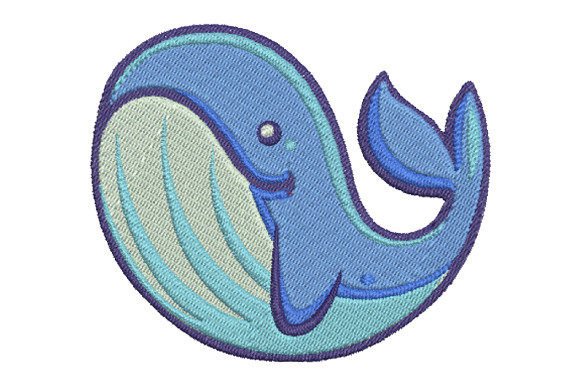
As an embroidery designer who has spent countless weekends behind a booth table, I know that the difference between a design that sits idle and one that sells out by noon often comes down to immediate visual impact and production practicality. When I first loaded the Intelligent Baby Whale into my digitizing software, I was looking for more than just a cute marine motif. I was evaluating its potential as a high-converting craft fair product. This clever baby whale embroidery pattern was inspired by whales, large mammals that live only in the seas or oceans. It is an animal that resembles a fish with a long, slender body. It has fins and a presence that feels both whimsical and grounded, making it a versatile candidate for various handmade product lines.
First Impressions: Mood and Market Fit
The initial glance at Intelligent Baby Whale suggests a design that leans toward the soft, modern, and slightly educational side of the market. It does not scream "loud" or "novelty"; instead, it offers a gentle appeal that works beautifully for nursery decor, eco-conscious shoppers, and lovers of ocean life. In the context of Marine Mammals themed collections, this design avoids the overly cartoonish trap, aiming instead for a stylized elegance that fits well with current trends in minimalist home goods. For an Etsy seller or boutique maker, this mood is crucial. It allows the item to be positioned not just as a toy accessory, but as a thoughtful gift for new parents or teachers.
Product Versatility: Where This Design Shines
To determine the best ROI for this machine embroidery design, I mentally placed it on several standard booth items. Here is how Intelligent Baby Whale performs across different substrates:
- Tote Bags and Market Bags: This is arguably the strongest application. A tote bag design featuring this whale acts as a statement piece. The slender body of the whale allows for a horizontal layout that complements the shape of a tote. It appeals to shoppers looking for reusable, stylish alternatives to plastic bags.
- Tea Towels and Aprons: For kitchen textiles, the design serves as excellent tea towel embroidery or apron embroidery. However, placement is key. On an apron, centering the whale on the bib creates a focal point that draws the eye upward. On tea towels, it works best as a corner accent or a border element, keeping the main fabric area open for usability.
- Embroidered Patches: As an embroidered patch, this design requires careful attention to edge finishing. If the digitizing includes a satin stitch border, it will pop against denim jackets or canvas backpacks. This transforms the item from a simple decoration into a wearable accessory, expanding your customer base to teens and young adults.
- Pillow Covers and Nursery Decor: The soft aesthetic makes it ideal for pillow covers. Here, the Intelligent Baby Whale can be scaled up slightly to fill the space, creating a cozy, inviting look that parents love for nurseries.
Production Practicality and Batch Efficiency
For those of us running a small shop product line, time is money. One of the primary advantages of this digital embroidery file is its potential for repeatability. The description notes a long, slender body with fins, which typically implies fewer complex color changes compared to highly detailed realistic animals. This suggests a faster run time per unit, allowing for efficient batch production before a busy weekend market.
However, practical selling points go beyond speed. The design must be understandable at a glance. Customers walking past a booth do not stop for intricate details they cannot see from three feet away. Intelligent Baby Whale relies on strong silhouette recognition. If the contrast between the whale and the background fabric is high, it grabs attention immediately. This is vital for booth display strength. A row of tote bags with this clear, recognizable motif creates a cohesive visual wall that draws people in.
Careful-Use Notes and Technical Considerations
While the design is promising, there are technical pitfalls to avoid. As an experienced designer, I advise checking the following before committing to a large production run:
- Stitch Density and Fabric Texture: Whales often involve solid fill areas. If the stitch density is too high for lightweight fabrics like linen tea towels, the fabric may pucker. Always test on scrap fabric first. For textured towels, ensure the underlay stitches are sufficient to prevent the design from sinking into the loops.
- Small Details and Clarity: The description mentions fins and a slender body. If these elements are digitized too thinly, they may break or look sparse on curved surfaces like caps. If using this on a hat, consider simplifying the smallest details or increasing the stitch width slightly to maintain integrity on the curved hoop size constraints of a cap frame.
- Thread Colors and Contrast: On dark fabric, a dark blue whale will disappear. You must plan your thread colors strategically. Use lighter blues, teals, or even white outlines to ensure the Intelligent Baby Whale stands out against navy or black garments. This affects the perceived value; a muddy, low-contrast design looks cheap, while a crisp, high-contrast one looks premium.
- Stabilizer Selection: Do not skimp on the stabilizer. For stretchy fabrics like t-shirts or thin cotton totes, a cut-away stabilizer is often necessary to support the weight of the embroidery over time, ensuring the finished product remains professional after washing.
Enhancing Visual Appeal and Brand Consistency
Using Intelligent Baby Whale consistently across your product line can strengthen your brand identity. If you are known for ocean-inspired or nature-centric goods, this design reinforces that narrative. It adds to your design assets library, allowing you to create coordinated sets—such as a matching tote and pouch—which increases the average order value. Customers are more likely to buy a bundle when the designs complement each other visually.
Furthermore, this design photographs well for online listings. The clean lines and recognizable shape translate effectively into a printable mockup or flat-lay photo. For commercial embroidery sellers, having high-quality images of this design on various products can significantly boost click-through rates on platforms like Etsy. The emotional connection people have with whales—viewing them as intelligent, gentle giants—adds an intangible value to the handmade quality of the item, fostering deeper buyer engagement.
Final Designer Verdict
Before you launch this into your shop, remember to verify the specific technical details. Since the provided description does not list exact specifications, you must check the hoop size requirements, file formats compatible with your machine, and the specific commercial licensing terms included with the embroidery file. Never assume a license covers unlimited physical sales without reading the terms.
In conclusion, Intelligent Baby Whale is a strong contender for craft fair success. It balances aesthetic appeal with production efficiency. By focusing on high-contrast fabric choices, proper stabilization, and strategic product placement like tote bags and patches, you can maximize its sales potential. It is a design that respects the intelligence of the customer and the skill of the maker, resulting in a craft fair product that feels both thoughtful and commercially viable.